
James Norton
Portraying Real Lives and Unearthing Forgotten History
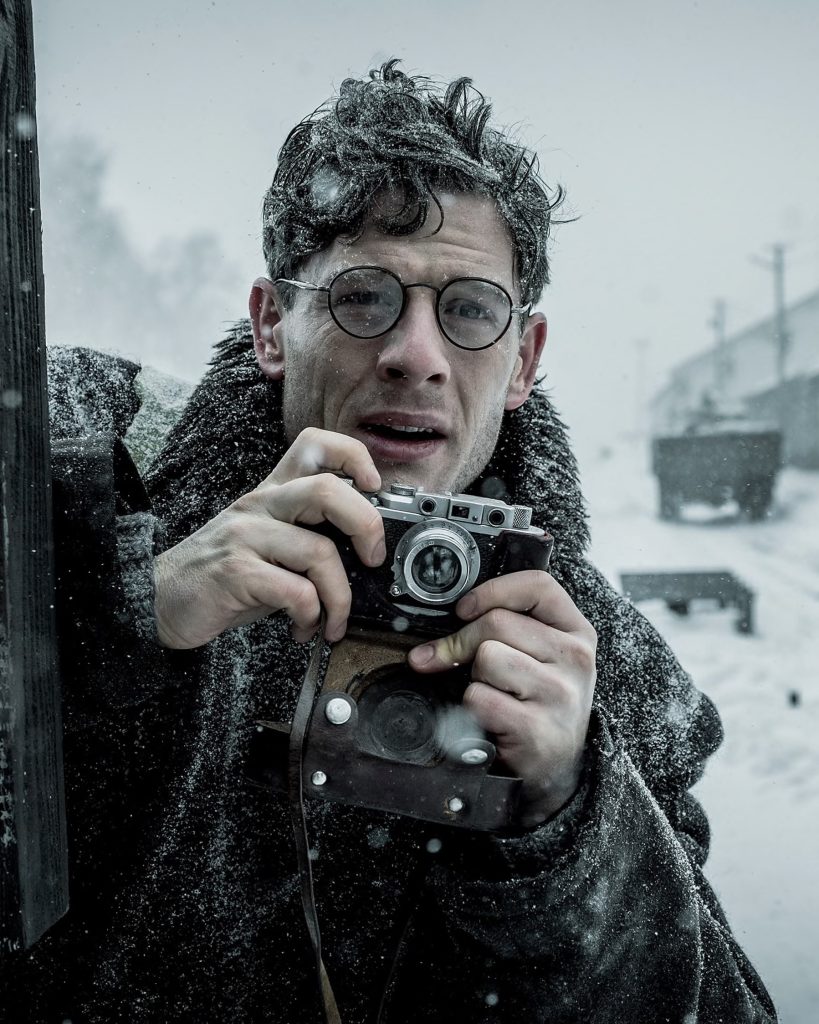
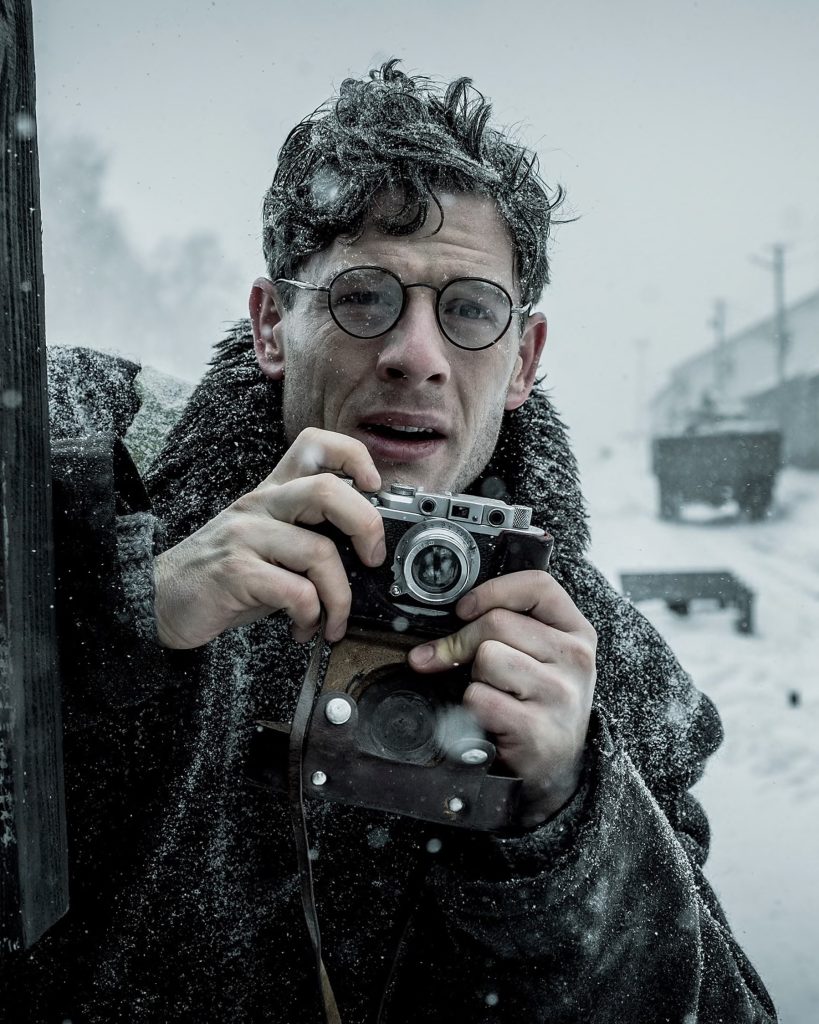
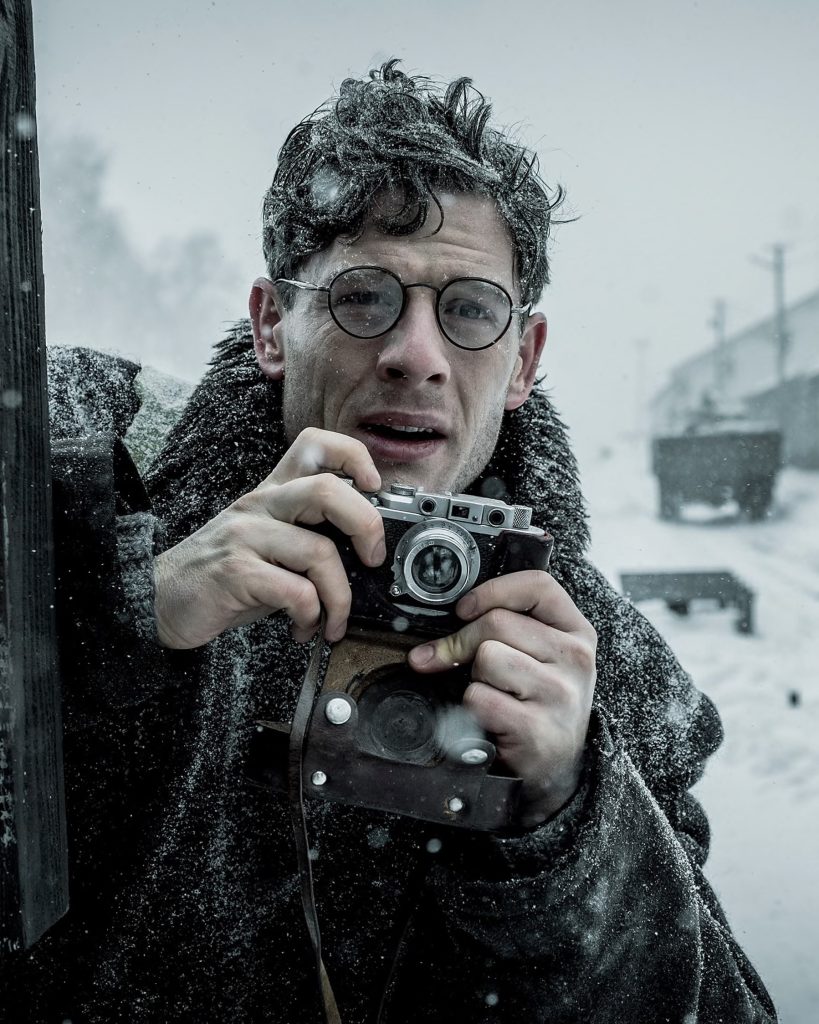
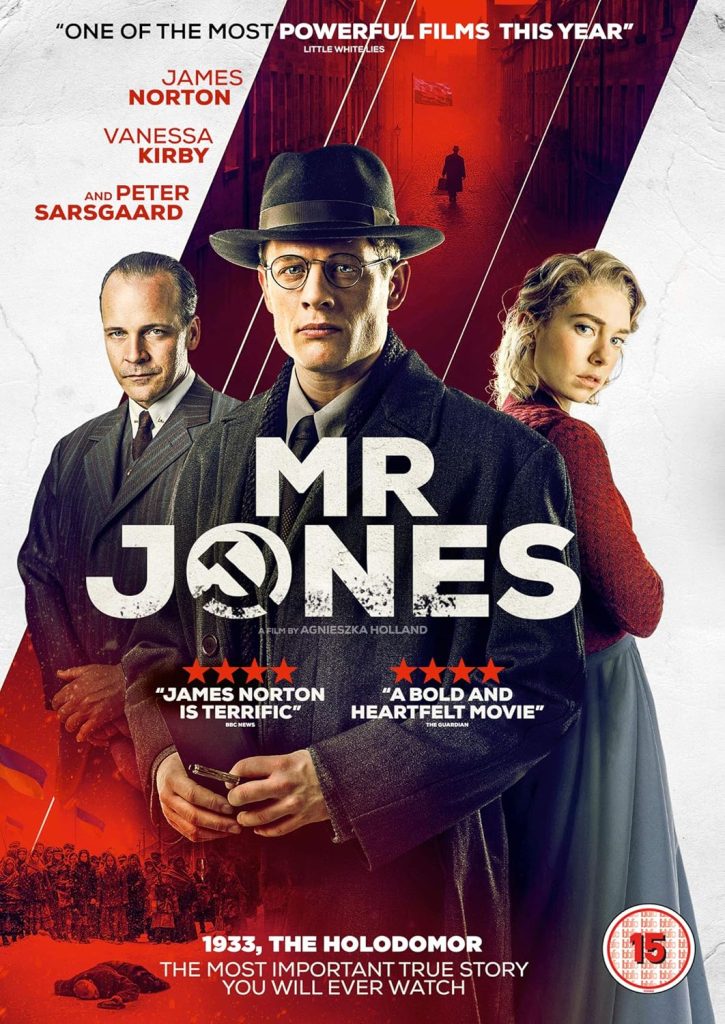
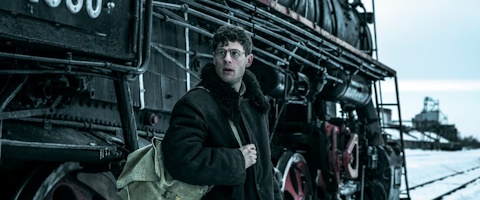
Actor James Norton — known for Happy Valley, Grantchester, War & Peace and McMafia — discusses portraying Welsh journalist Gareth Jones [Mr. Jones] and bringing overlooked history back to life on screen.
When you first encountered the story of Welsh journalist Gareth Jones, what struck you about it… and did you actually know about the Holodomor?
Embarrassingly, not really. And that’s something I think a lot of people would admit. Gareth Jones is someone whose story should be known far and wide. Here was a man who, almost single-handedly, blew the whistle on what was happening in the Soviet Union and ultimately paid the price for it
Learning more about the Holodomor itself was deeply shocking. It’s one of those historical tragedies that still isn’t widely recognised or understood. Discovering the scale of what happened — and the courage it took for Gareth Jones to expose it — was humbling, and slightly embarrassing not to have known more about it beforehand.
What struck me most was the simplicity of his journey. It’s really the story of a young journalist trying to find the truth amid a world of propaganda and misinformation.
“It’s really the story of a young journalist trying to find the truth in a world filled with propaganda and misinformation.”
How did you go about researching Gareth Jones and preparing for the role?
There was an extraordinary amount of material. The family were incredibly generous and supportive, and we had access to letters, private correspondence and archives that helped build a picture of who Gareth was beyond the headlines.
There are also several books written about him, even though he isn’t widely known in the mainstream. You could easily spend weeks going deep into the academic research and the historical detail.
But what became most valuable for me was learning about Gareth as a person. We heard stories about how he was with children — how playful he was when he came home and how much his nieces and nephews adored him. Those details were incredibly helpful because when you first hear about Gareth Jones, you imagine a very serious journalist on a mission.
I read that Gareth Jones’s great-nephew and the rest of the family were very impressed with your performance.
That’s amazing to hear. It means a lot, because when you’re playing someone who lived relatively recently and whose family are still connected to the story, there’s a real responsibility there. You want to honour their memory while still finding your own way into the character.
“When you first hear about Gareth Jones, you imagine a very serious journalist on a mission.”
I also have to mention the accent. Your Welsh accent in the film is very convincing. How did you approach learning that — and the Welsh language elements as well?
There was quite a lot involved. Accent work is always a big part of preparation. I had a dialect coach, and we also had Welsh speakers on set, which helped enormously. Julian Lewis Jones, who plays Gareth’s father, was particularly helpful because he’s a fluent Welsh speaker.
It was important to us that Gareth’s Welsh identity was present in the performance because it was such a fundamental part of who he was. At the same time, he studied at Cambridge and worked internationally as a journalist, so his accent would naturally have evolved. We wanted to make sure that the Welshness was there — that flavour — but without it becoming distracting.
I spoke to director Agnieszka Holland recently. She’s also known for films like Europa Europa and In Darkness. What was it like working with her, and was there anything you learned from her on set?
She really is inspiring. I didn’t realise quite how much she carries with her politically and culturally. She’s such a powerful voice, particularly in Poland, and that became very clear very quickly when we were filming in some very remote parts of northern Ukraine.
We were shooting in extraordinary conditions — minus fifteen, sometimes closer to minus twenty-five with the wind chill. Everyone was wrapped up in layers of thermal clothing and goose-down jackets just trying to stay warm. And yet Agnieszka would sit there on set, this tiny figure surrounded by huge coats, watching the monitor, never once complaining.
One of my favourite memories is of the crew all huddled together like penguins between takes, trying to stay warm. Suddenly, she started singing a Polish song. Within seconds, people from every corner of the crew — Ukrainian, Russian, British — began joining in. Within about twenty seconds, you had the whole crew singing the song at the top of their lungs. Then it would fall silent again, and we’d carry on working. She had this incredible way of rallying everyone together.
“We wanted to make sure that the Welshness was there, but without it becoming distracting.”
Changing direction slightly — what made you decide to study theology at university?
It goes back quite a long way. I had studied history, English, and theology earlier, and I’d always been fascinated by faith and belief. I went to a Catholic school, and we had these incredible Benedictine monks teaching us, and they were extraordinary minds. The debates we had were fascinating.
When I went to Cambridge, the theology degree was much broader than people might imagine. It wasn’t just about Christian theology — there were papers on philosophy, imagination, ethics and comparative religion. It was incredibly wide-ranging and intellectually stimulating.
Travel also played a part. Spending time in places like India deepened that curiosity about religion and belief systems. For me, it was always about interest and exploration rather than faith itself. I was curious about how religion shapes societies and cultures.
So you don’t necessarily have to be religious to study theology — it’s about understanding the world?
Exactly. I would encourage people to explore it even if they’re not religious themselves. The more understanding we have of institutionalised religion, the more we can accept it. It’s a complicated world, but it can also be a very rewarding one if we try to understand it.
“She had this incredible way of rallying everyone together.”
And then from theology at Cambridge, you went on to RADA — quite a shift.
It was a bit of a shift, yes. Acting had always been something I loved, but for a long time, it felt like quite a childish dream. When I was at university, I was lucky enough to meet a young director who encouraged me to apply to drama school, and suddenly it began to feel like something that might actually be possible.
RADA gave me the chance to take that dream seriously. When you’re training there, you suddenly realise that acting isn’t just an idea — it’s a profession, and you’re preparing yourself for that world.
I read that you left RADA shortly before finishing the course after landing your first major role. Was there any regret about not completing the final months?
The whole point of training is to prepare you for the industry, and if you’re lucky enough to get an opportunity to start working, that’s ultimately what you’ve been preparing for.
Right near the end of my training, I was offered a role in The Riot Club. It was a fantastic first opportunity and a chance to move straight into film. If I’d turned it down, there was no guarantee something like that would come along again once I graduated.
At the time, the school were understandably a little disappointed, but it all worked out in the end.
“The more understanding we have of institutionalised religion, the more we can accept it.”
Perhaps they’ll invite you back one day for an honorary graduation.
They actually did. I was invited back to graduate in the end.
James Norton is a British actor known for roles in Happy Valley, Grantchester, War & Peace and McMafia. He stars as Welsh journalist Gareth Jones in the film Mr. Jones.
Interview by Carl Marsh


LATEST INTERVIEWS
David Morrissey
Alicia Coppola

Sorabh Pant
Simon Reeve
James Norton
Heida Reed
INTERVIEW DIRECTORY