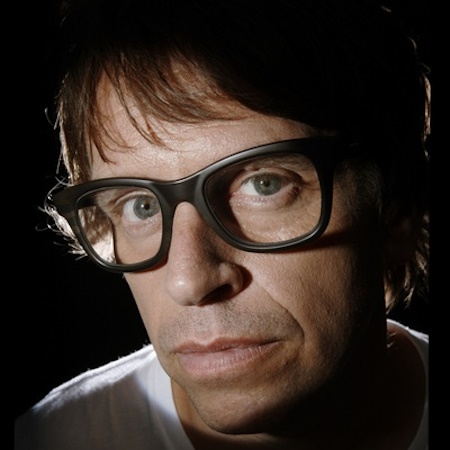


Peter Hook
The Cost of Independence
Joy Division and New Order bassist Peter Hook reflects on independence, the modern music industry, legacy, and the personal cost of success.
Looking back at New Order, how do you see that period now — especially financially and creatively?
To be honest with you, we have never accounted for how much we lost or earned in New Order, but, as Rob Gretton quite rightly said, you can’t buy a reputation like this, even if it’s for fucking idiocy. The thing is, we were an independent group, and we paid the price for being independent, but it went down in folklore. Factory Records is held up as the perfect model for an independent record company. It always makes me laugh because of one thing… they only really had one job to do, which was to pay their artists, and they couldn’t fucking do that. It makes you wonder, doesn’t it? Everybody holds it up as this wonderful model and all, “that’s the way to do it”, but really, it failed at the first fucking hurdle. The plus side of Factory Records was that Tony didn’t interfere with the way the groups made music. I think we all know now, just by the fact that to make music, you’ve got to stand in front of Simon Cowell or Cheryl Cole, and they tell you how to make it. That sums up all that is wrong with modern music.
“You can’t buy a reputation like this, even if it’s for fucking idiocy.”
Do you think something has been lost in how music is made now?
I think it goes further than that, though, to the validity of what people want. When we started punk, everybody hated it, and we knew it, but we didn’t care because they weren’t going to stop us.
Now, everybody that you see on TV wants to be loved. “Please love me, please tell me what I can do to make you love me”, or some other little story that will make you love me more. Then Simon Cowell takes all the money. (Laughs). I wouldn’t like to be in a group now. Let me put it that way.
As a bassist, how do you view where music has gone today?
Yes, it’s all written on a machine. It’s really odd. There’s still a huge history of music that’s devoured by youngsters, because if you look at an act like Jimi Hendrix or The Doors, can you name one contemporary group that looks and feels like those two? Name a group that feels like The Doors? That has that loose, rock and roll, nutty existence… or a group like Led Zeppelin. It’s just these kids will never ever live it. You look at The 1975, god bless them, they are actually a good group musically, but you wouldn’t put them in the same ballpark as Led Zeppelin, Deep Purple orBlack Sabbath, would you? It’s just changed so much. You don’t get that anymore. That frankly will never be done again.
“They only really had one job to do… and they couldn’t fucking do that.”
You’ve recently put some of your memorabilia up for auction — what led to that decision?
Well, I had a bloody good go at it with that fucking court case; let me put it that way. I am still suffering, shall we say. It’s like a divorce, isn’t it? You’re not going to remember the great holiday you had in Lanzarote. All you remember is her screaming at you and wanting all of your bloody money. It never helps with happy memories.
I’d cherished all this stuff for years and years. In many ways, I felt like the Count in his castle, looking at all these treasures, and nobody else got to see them. It’s bizarre. If you were locked up in a room looking at old shit from when you were 17, you have to be going, “You know what? You need to get fucking out, or you’re mad!” (Laughs). There’s an odd obsession with it. I must admit that having the fracas with the other two did not help me remember everything fondly or want to keep these memories. I just thought that I am playing the music… do I actually fucking need all this stuff that’s just rotting gracefully in my lock-up?
“The court cases were the most futile thing we’ve ever done.”
Was supporting epilepsy something that felt important because of Ian Curtis?
No, no, the epilepsy is for Ian. The auction, whether you like it or not, Ian is a big player in it. Getting all that stuff together, the way that it tells a story and captures the moment and documents some wonderful pieces of history… It’s something to be proud of. I was right to keep it. It’s just whether you keep it forever. There’s nowhere in Manchester that celebrates Manchester music. It’s very odd.
What’s the biggest regret you’ve had over your career?
I don’t have any. I wouldn’t change anything particularly. The court cases were the most futile thing we’ve ever done. It isn’t about what’s right or wrong; it’s more about money. It was just so frustrating, the legal system. We’re just some fat old rock stars arguing about money. Imagine if you were somebody who’d been wronged or suffered injustice… I don’t know how they’d feel dealing with our legal system. It would be tragic.
Do you think the legal system made things worse between you?
They shouldn’t do it to people; it’s terrible. What I’ve discovered is that as soon as you get a solicitor, they tell you every single thing you want to hear. The thing you don’t realise is that the other side’s solicitors are doing exactly the same thing and telling them the exact opposite because it’s what they want to hear. If the two of you could get together, two sides in a room, call each other for half an hour, and then get through that and remember why you started it in the first place, and what values you hold dear in the first place, you’d get over that. All that most musicians are asking for is a bit of respect. That’s all that you want.
“All that most musicians are asking for is a bit of respect.”
Does that experience stay with you now?
A little bit, but sadly, they build on your ego and your personal appearance, and how you’re perceived, then it becomes a bit like quicksand.
Anyway, you live and learn, and that’s it. I’m still living and learning, mate (laughs), and I’m still here.
Peter Hook is a musician best known as the bassist and co-founder of Joy Division and New Order, and remains one of the most influential figures in British music.
Interview by Carl Marsh
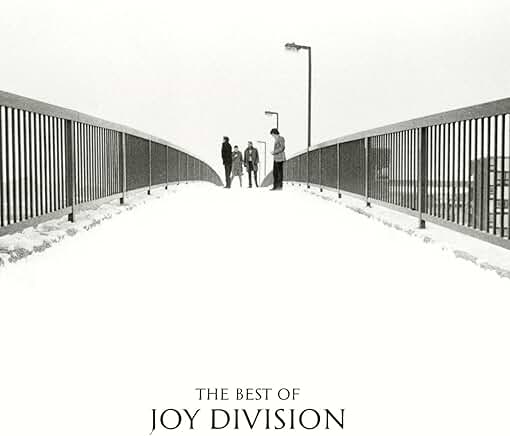
Further Listening: The Best of Joy Division
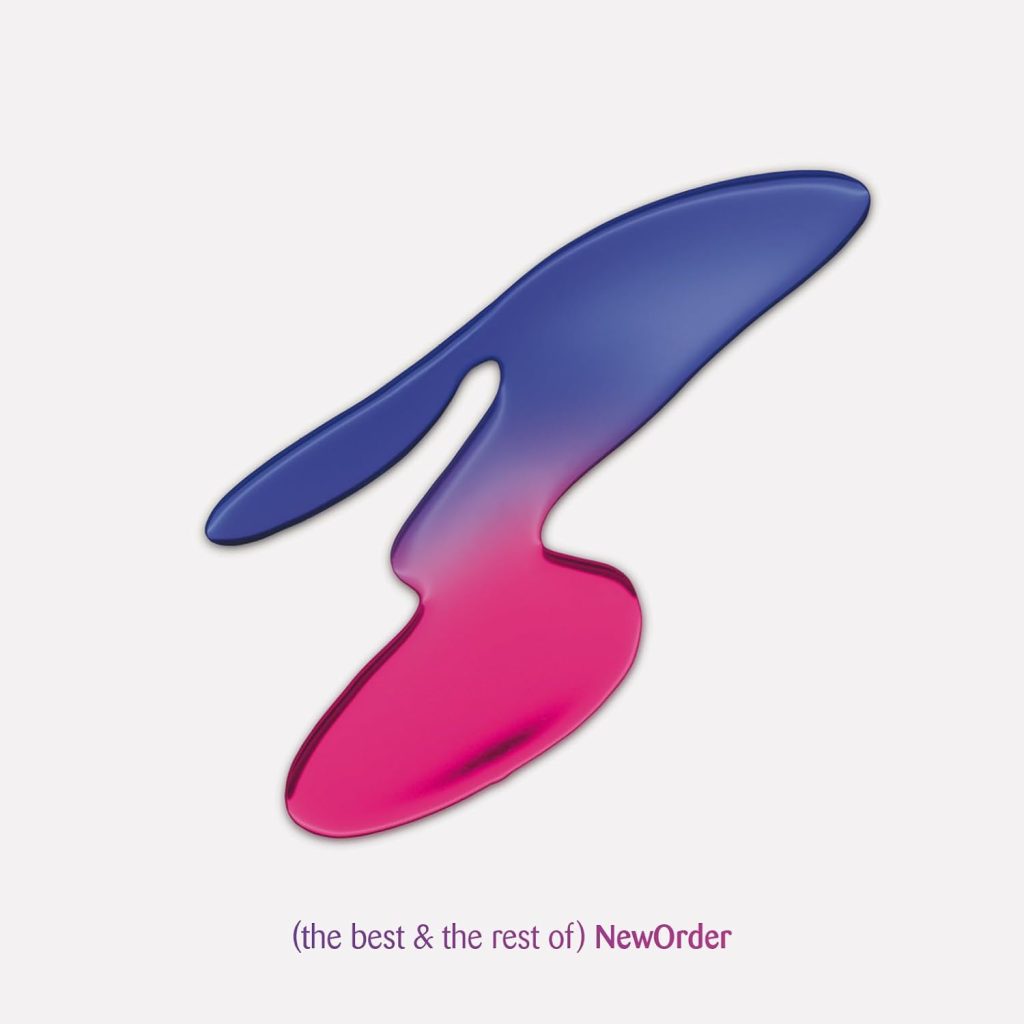
Further Listening: (The Best & Rest of) New Order
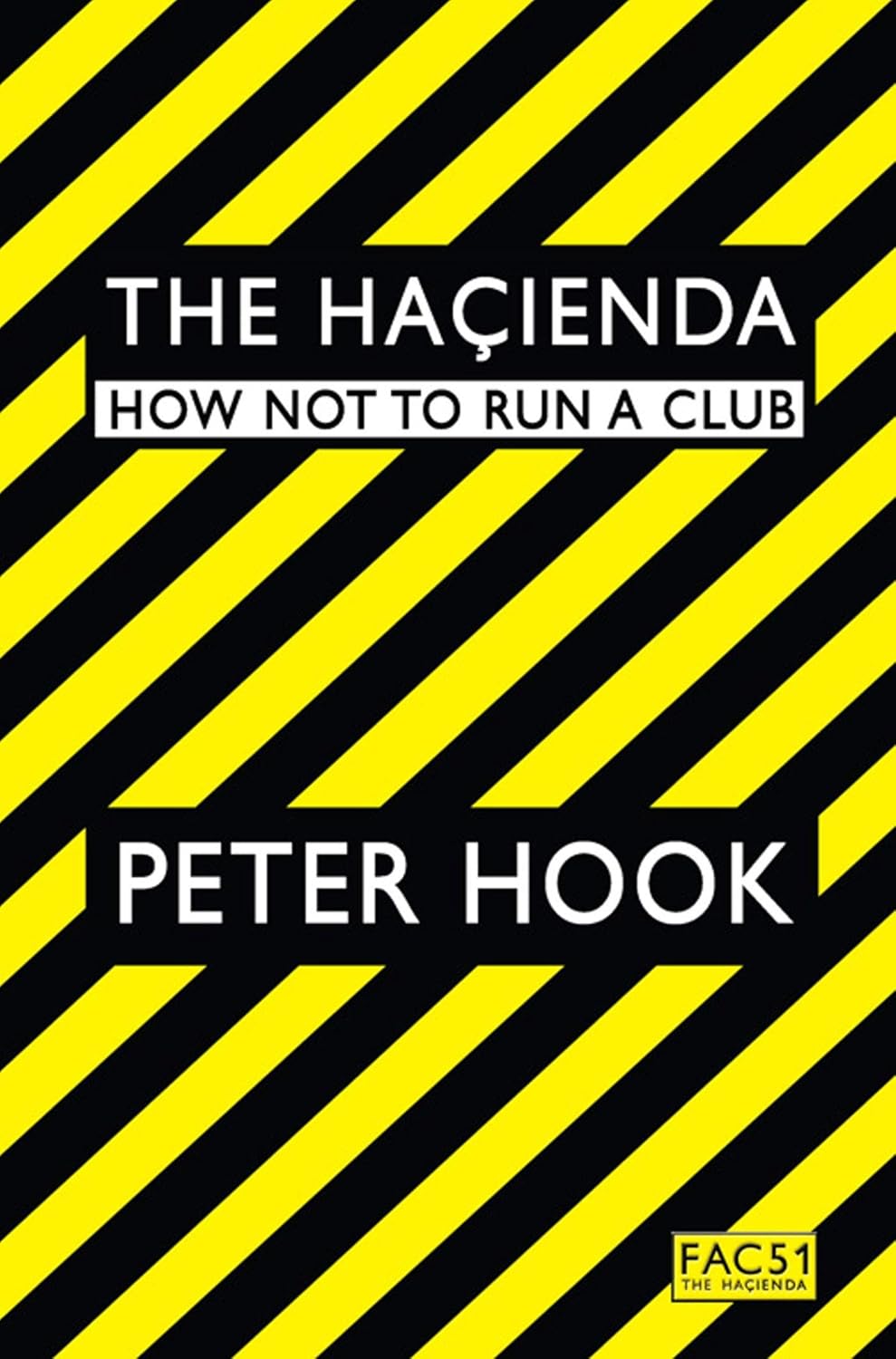
Further Reading: How Not To Run A Club
More Interviews

Whoopi Goldberg


LATEST INTERVIEWS

David Morrissey

Alicia Coppola

Sorabh Pant

Simon Reeve

James Norton

Heida Reed
INTERVIEW DIRECTORY