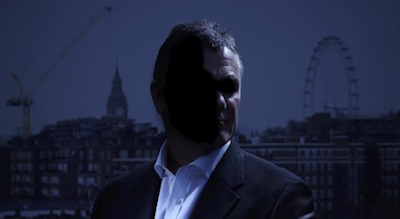

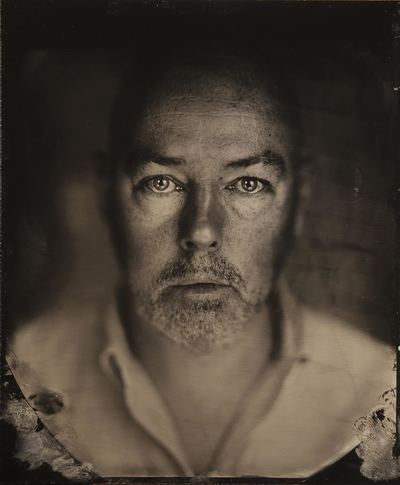
John Boyne
Stories That Carry Meaning
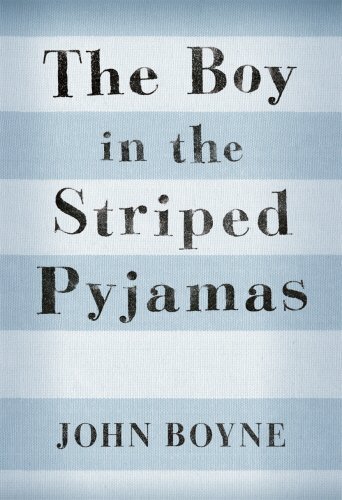
From historical fiction to deeply personal narratives, John Boyne has built a body of work exploring identity, morality and the human condition. Best known for The Boy in the Striped Pyjamas, he reflects on storytelling, truth and responsibility.
When writing about the past, how important is accuracy compared to storytelling?
I’ve written a lot of books set in the past and I always think that you should know everything about the time and the people that you are writing about, but you are not locked into absolutely every single fact. The first duty you have is to the story you are telling, so sometimes you make a decision to alter things. There is a scene in the book where Nelson’s Pillar is destroyed and in real life nobody died, but in the novel a couple of fictional characters do. I understand why some people might think that’s playing fast and loose with the facts, but it’s a novel and not a work of non-fiction. Once you know your facts and you have a reason for changing them, then you are on safe ground.
“I understand why some people might think that’s playing fast and loose with the facts.”
The Heart’s Invisible Furies spans decades of Irish life. What drew you to tell that kind of long, evolving story?
It certainly was my intention to go through a long period of Irish history, roughly seventy years, and analyse how it had changed. I didn’t begin with the idea of making it negative, although I can see why some might feel that way. For me it was about authenticity, because that is how things were for a long time. Ireland has changed and matured, particularly since the Church lost much of its influence, and while the novel presents things “warts and all”, it also shows that it remains a great place with great people. I hope it feels truthful rather than critical.
Should fiction reflect reality, or move beyond it?
I suppose if we replicated everything exactly as it happens in life, it probably wouldn’t ring true. Some of the most bizarre things happen every day, but fiction, for me, is there to move the spirit rather than simply mirror the world. It should make you feel something — whether that’s laughter, sadness, fear or even anger — and that’s what it has always meant to me, both as a reader and as a writer.
“Fiction is there to move the spirit rather than simply mirror the world.”
Where do your ideas begin — with a theme, a moment, or something more instinctive?
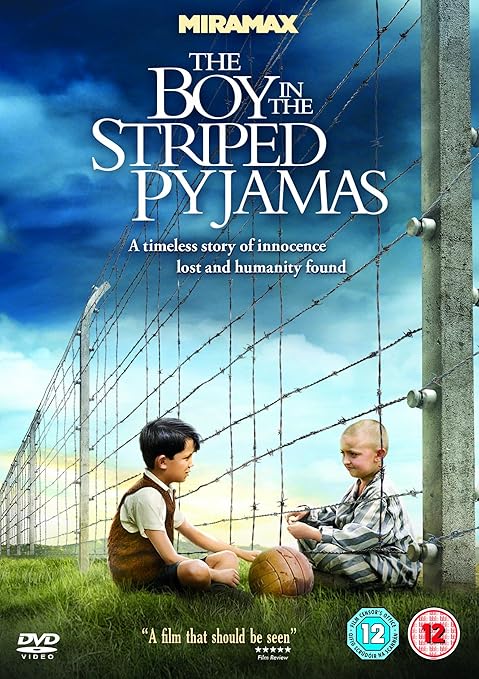
It’s usually one small idea that sparks everything. With The Boy in the Striped Pyjamas, it was simply the image of two boys sitting at a fence talking to each other. With the novel, The Heart’s Invisible Furies, it came from the knowledge that Ireland was approaching a referendum on equal marriage, and my curiosity about how the country had moved from being so conservative to potentially becoming the first to vote for equality in that way. It’s often something small like that which takes hold, and then you follow it through the writing.
Do you ever worry about running out of ideas, or does writing generate its own momentum?
I don’t think I will run out of ideas because I read a lot and I write a lot, and I think the imagination is like a muscle. The more you exercise it, the more open you are to new ideas. I always have notes of things that could become something, although most of them never do, but that process of constant engagement keeps everything active.
“It was simply the image of two boys sitting at a fence talking to each other.”
You’ve spoken about discipline in your routine. How important is that to your work?
I don’t have another job, so my days are filled with reading and writing, and both of those things make me very happy. I’m quite disciplined about it, in the same way anyone goes to work each day, I just happen to do it at a desk with a pen or keyboard. Reading is part of that too — not just for pleasure, but because I want to keep up with contemporary writers, people I meet at festivals, and what readers are engaging with at the moment.
Do you feel pressure to surpass your previous work with each new novel?
It’s not really about making each book better than the last, it’s more about growing as a writer and trying to write the best book you can at that moment. Of course you want readers to enjoy it and you want good reviews, it would be disingenuous to pretend otherwise, but it’s less about comparison and more about progression.
“The imagination is like a muscle — the more you use it, the stronger it becomes.”
How much of your own life finds its way into your work?
Some of it inevitably does. A lot of what I write about is personal in one way or another, even if it’s not directly autobiographical. It’s often about writing the right book at the right time in your life, and responding to what’s happening around you as much as what’s happening within you.
“The novel is the form I work in, and that’s what it’s meant to be.”
Do you ever think about adaptation when writing a novel?
No, not at all. I think if a writer approaches a novel thinking about film or television, they are probably going to write a bad novel. I don’t see books as source material for something else. The novel is the form I work in, and that’s what it’s meant to be. If something else happens afterwards, that’s great, but it’s not part of the writing process.
John Boyne is an Irish novelist best known for The Boy in the Striped Pyjamas and The Heart’s Invisible Furies.
Interview by Carl Marsh
More Interviews

Whoopi Goldberg


LATEST INTERVIEWS
David Morrissey

Alicia Coppola

Sorabh Pant

Simon Reeve
James Norton
Heida Reed
INTERVIEW DIRECTORY