
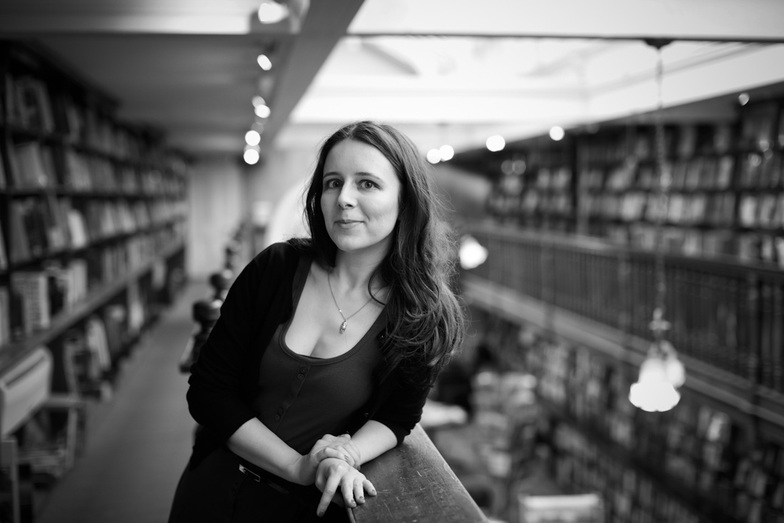
Lauren Owen
Shadows and Secrets
Lauren Owen discusses her debut novel The Quick, gothic storytelling, vampire traditions, and finding a voice within literary history’s darkest and most enduring shadows.
Your debut novel The Quick has a strong gothic atmosphere. Where did the idea for the story begin?
I’d been playing with the storyline for a long time before I began writing this version, so it’s grown quite organically over a number of years. I think it originated with my interest in the school where my father worked whilst I was growing up. The school was based in a large old house – not quite a stately home, but it seemed very grand to me as a child. I was curious about who would have lived there in the olden days. My dad used to joke that the building was haunted, and I think that gave me the idea of a large country mansion with a gothic secret.
“The idea of a large country mansion with a gothic secret.”
Hilary Mantel described the book as ‘a sly and glittering addition to the literature of the macabre’. What did that response mean to you?
It feels rather incredible – part of me is still waiting to wake up. I still find it absolutely thrilling that anyone would want to read something I’ve written, so to have praise from such an illustrious quarter is just amazing.
The novel shifts in unexpected ways as its secrets reveal themselves. How did you approach that development in the story?
My family all enjoyed the book, which was a huge relief. They all have different areas of specialization, so it was interesting getting their various reactions. They didn’t have the ‘unexpected reveal’ experience that a lot of readers have had, though. Whilst I was writing the book, I didn’t really see that development as a plot twist so much as a natural development of the story. I began with a vampire plot and then worked backwards, deciding who the vampire’s victims would be, and then giving them lives, pasts, and concerns of their own. I felt that the full impact of the vampire’s deadly attack could best be shown by having vampires prey upon people whom the reader had already got to know. So when I was talking about the book to my family and other people, I always began by describing it as a vampire novel. (And I got some interesting responses, over the years!)
“I began with a vampire plot and then worked backwards, deciding who the vampire’s victims would be.”
You’ve studied Gothic writing and fan culture at PhD level. How did that connect with writing the novel?
I began the PhD after I’d done most of the initial writing of the book – but they’ve both fed one another in unexpected ways. Reading criticism about vampire literature has shown me the enduring appeal of the vampire trope, and hopefully helped me to celebrate that tradition in my own work. My studies have also made me increasingly aware of the importance of reading, writing, and storytelling as themes in the vampire tale.
“So many vampire tales are about negotiating with the past.”
How do you see your work sitting within that wider literary tradition?
As a writer who’s just starting out, the appeal of the vampire story now seems rather obvious – so many vampire tales are about negotiating with the past, with earlier vampire traditions. It’s easy to make the connection to literature more generally, and to the novice writer trying to find a place for themselves within the literary tradition. The reading I’m doing for my PhD has also given me lots of ideas for later work – I’m really looking forward to pursuing some of the leads I’ve discovered.
Lauren Owen is a British author best known for her debut novel The Quick, with later work continuing to explore gothic storytelling, history, and the uncanny.
Interview by Carl Marsh
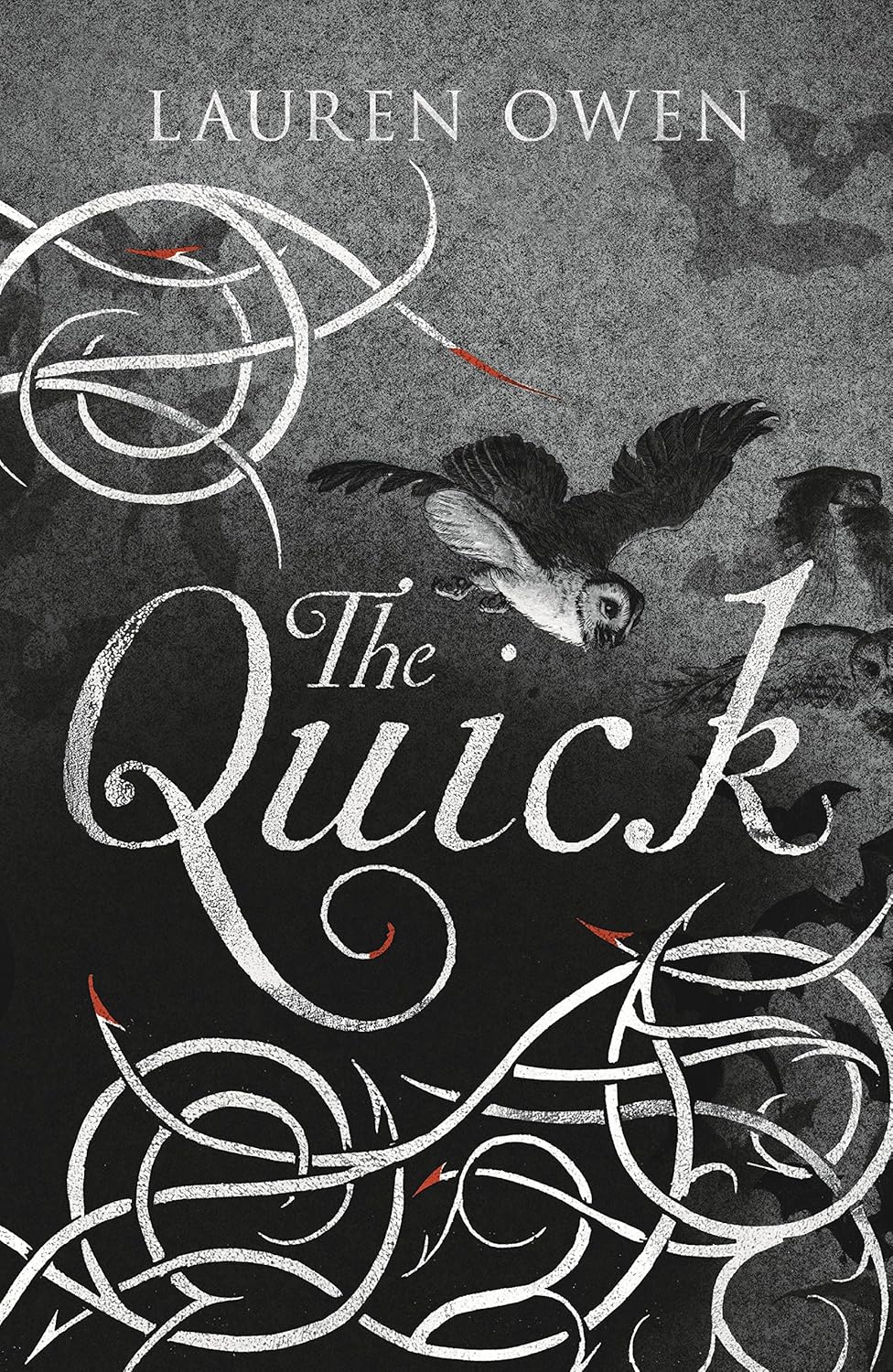
Further Reading: The Quick
More Interviews

Whoopi Goldberg


LATEST INTERVIEWS
David Morrissey

Alicia Coppola

Sorabh Pant

Simon Reeve

James Norton
Heida Reed
INTERVIEW DIRECTORY