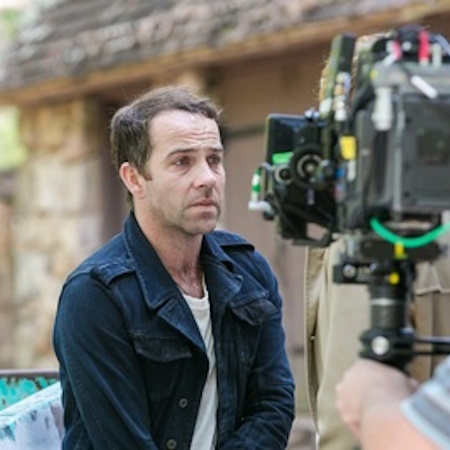

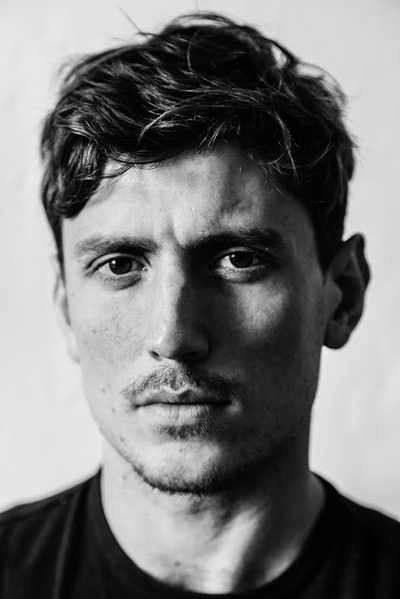
Morgan Watkins
Work Over Noise
RADA-trained actor Morgan Watkins discusses his work across film and television, including The Crown, Suffragette and Chicken, and reflects on craft, rejection and building a career in acting.
As a RADA graduate, do you feel at home both on stage and on screen?
I guess I do. I think training is very important for stage acting, perhaps not so much for screen. But I think, although drama schools are now spending more time on screen training, the vast majority of work we did there was probably orientated towards the stage. Fundamentally, I went there to study acting. Great acting is great acting, whether on screen or stage. I haven’t done a play for over 2 years now, and I really do miss it.
“Great acting is great acting, whether on screen or stage.”
So, as a trained actor, and knowing how critics can be, how do you take criticism?
Well… It’s difficult. It doesn’t feel nice if someone says something negative about you in general. We are all open to criticism, and we should probably be humble enough to accept our flaws at times. Artistically, you put yourself out there, and it will feel great if someone says wonderful stuff about you, but equally upsetting if they say something nasty. You want to hug them or hit them, usually, but people are entitled to their own opinion. I am very constructively critical of myself as a person and as an actor, so there is not much you could say either way that some part of me will not agree with. We all want to be loved and fear rejection, so it combines those key desires and affects you either way. I try to take it all, good or bad, with a pinch of salt. Or you can just ignore it, ignorance is bliss.
“We all want to be loved and fear rejection.”
What does it really take to become a successful actor now, given how competitive it is?
Yeah, you get fantastically trained actors and lots of great actors who haven’t trained; it varies. The competition is tough, and people keep raising their standards. I think it takes complete commitment to the craft. You have to believe in yourself and work hard. You have to think about what you offer the industry. Some people want to be ‘actors’ and don’t really care for the craft. They don’t think artistically about what it is they are doing — the characters, the script, the psychological framework of the piece and the characters in it, how to work with other actors.
For me, if you place your dedication in the right places, you will get rewards. You have to be willing to suffer overwhelming and constant rejection. There is also a sinister side to the ‘who you know’ kind of industry that goes on. And ‘get yourself in the right parties’, or ‘be born in the right family’ … some people see that as part of the industry, it’s not a side of it I like. You can spend time getting bitter about the industry’s politics, but you are better off working on your craft and being kind and professional. Also, training can help: it grounds you in 3 years of solid physical, technical, and psychological training and provides a pathway into the industry, with agents seeing your showcases in the final year.
“You have to be willing to suffer overwhelming and constant rejection.”
Is there anything you don’t like being asked in interviews?
I like discussing stuff. Trying to be yourself and ignore the overwhelming desire to make yourself sound perfect. Nothing, I hate being asked, really. Not as of yet!
So what do you actually enjoy being asked?
I love to be asked why I’m so bloody brilliant and incredibly talented. That makes me feel good! Why didn’t you start your interview like that?! Eh?!! Eh!?
“I love to be asked why I’m so bloody brilliant and incredibly talented.”
Looking back at projects like Chicken and Suffragette, what kind of work do you find yourself drawn to?
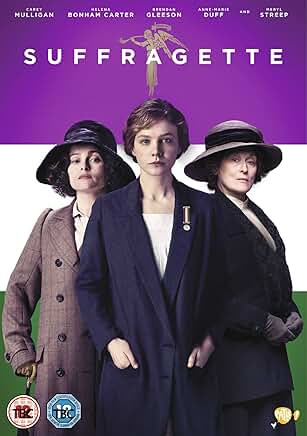
I was very excited about Chicken, which was on the festival circuit at the time. I hoped people would get to see it. I was also in Suffragette, a great film to be part of, with some outstanding talent to work with and learn from. I also had a project on ITV with John Hurt in which I played Siegfried Sassoon. I was writing a film which I was very excited about… and auditioning, so we shall see.
With any of the characters you’ve portrayed on screen, have any of them come close to being the real you?
No. I don’t play myself. I use myself, but I don’t know who I am in a script. I tend to make choices and go to the character. Not the way all actors work, but it is the way I work. I’m always changing and evolving though.
“I don’t play myself. I use myself, but I don’t know who I am in a script.”
What makes you sad?
Climate Change and our lack of response to it. Our childlike ignorance of it. Economic greed and lack of collective love, and cohesion with nature and each other.
And what makes you angry?
THE ABOVE! Ermmmm… I don’t like rudeness. I admire consistency. Be nice to one and all. But don’t kiss a few people’s arses and then treat anyone you falsely perceive as ‘below’ you with disdain.
Do you have any standout memories from working on set or stage?
Lots, I guess. Actors love nothing more than sharing anecdotes from their work experiences. I shared a bottle of whisky with Brendan Gleeson in his trailer after a film, which was a career highlight for me. He gave me lots of brilliant bits of advice and it was a great pleasure to work and learn with him.
“I shared a bottle of whisky with Brendan Gleeson in his trailer after a film.”
When you were younger, was acting always the plan?
I was an energetic youngster, very sporty, competitive and emotional. Probably quite difficult. Adolescence was tough, and I was a very late developer. I’m the middle of 4 brothers, so I’m probably a typical middle child in many ways. Acting was what I was good at, but I was obsessed with football and wanted to play for Liverpool. When I was 15, I had a brilliant drama teacher who turned my head to acting, and I realised it was a profession. So from then on, that was it, I realised I wasn’t good enough at football, and I was going to dedicate myself to acting.
Morgan Watkins is an actor trained at RADA, known for his work across film, television and theatre, including roles in Chicken and Suffragette.
Interview by Carl Marsh
More Interviews

Whoopi Goldberg


LATEST INTERVIEWS

David Morrissey
Alicia Coppola

Sorabh Pant

Simon Reeve

James Norton

Heida Reed
INTERVIEW DIRECTORY