
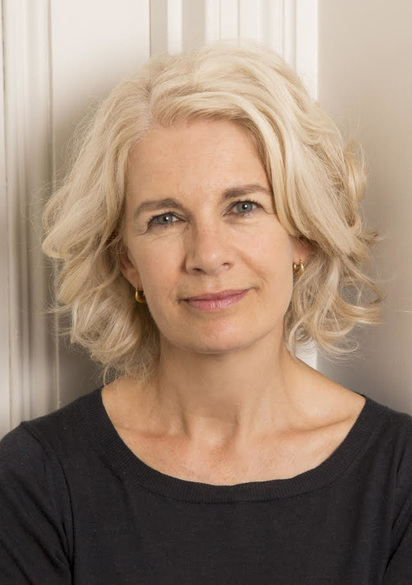
Renee Knight
Secrets and Consequences
Renée Knight explores the psychology behind Disclaimer, its unsettling premise, and how her journey from television to fiction shaped a story about memory, guilt, and buried truths.
When Disclaimer first began gaining attention, it was quickly compared to Gone Girl. What did that moment feel like for you?
It is incredibly exciting for me, and having Disclaimer compared to Gone Girl can only be good. It has been a time of many ‘firsts’ for me – interviews, being a guest rather than a visitor to literary festivals, and book signings. I feel very lucky.
“Ok, so… what would it be like if you came across yourself in a book?”
For readers coming to Disclaimer fresh, what’s the core idea—and what makes it so unsettling?
Ok, so… what would it be like if you came across yourself in a book? Not only that, but the book reveals a secret you have told no one, and you thought all those who knew it were dead. That’s what happens to the protagonist, Catherine Ravenscroft, in Disclaimer. The story is told from her point of view and from that of the book’s author—a retired, widowed teacher, Stephen Brigstocke. Disclaimer gradually reveals the connection between these two very different characters and the secret that Catherine has been trying so hard to hide from her husband and son. If you enjoy psychological thrillers, I hope this gives you a reason to try it.
You came to fiction after working in television. At what point did writing a novel become something you had to pursue?
I have been writing for about ten years, but screenplays rather than novels. I wrote another novel a couple of years ago that didn’t get published, but it gave me the idea for Disclaimer.
I couldn’t have written a book while I was working in television, and I think this is a better book than it would have been had I written it twenty years ago.
“I couldn’t have written a book while I was working in television.”
Did you feel the need to develop your writing again formally, or was it a natural transition from TV?
Years ago, I did a short City Lit creative writing course. It was the first time since being at school that I’d read my work aloud, and it was scary but gave me the urge to carry on. I wrote Disclaimer while taking the Faber Academy Writing a Novel course, which gave me a structure within which to write and a great group of other writers to share work with.
The book deal and the film rights came close together. Which of those moments meant more to you?
Oh no comparison—the book deal. I grinned from ear to ear, and still am. That’s not to say I wasn’t thrilled when I heard the film rights had been sold, and to a studio with a fantastic track record.
“That’s not to say I wasn’t thrilled when I heard the film rights had been sold.”
You’ve clearly read widely—are there any books that have stayed with you?
There are so many that stand out. I’ll give you a couple of recent reads if that’s OK. The Days of Abandonment by Elena Ferrante was a visceral experience: brutally honest, fearless and unforgettable. Another recent stand-out for me was Tessa Hadley’s Clever Girl: beautiful writing and seemingly effortless—a really inspiring book.
What does fiction allow you to say that television never could?
If anyone wants a better understanding of the world we live in and the people we share it with, then reading fiction will illuminate it in a way no other medium can.
“Reading fiction will illuminate it.”
For anyone struggling to start—or finish—a book, what advice would you give?
Be kind to yourself—yes, you will feel a little mad, but that’s normal. Take your time and protect your work; by that, I mean do not feel you are in a race, and do not show your work to anyone until you are absolutely sure you have made it as good as you can. That’s not to say you won’t need to work on it more once someone’s seen it, but don’t be in too much of a rush to get it out there.
Renée Knight is a British author and screenwriter. Since the release of Disclaimer, she has published The Secretary and seen her debut novel adapted into a major television series.
Interview by Carl Marsh
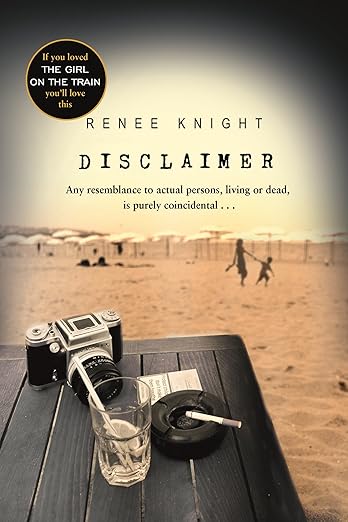
Further Reading: Disclaimer
More Interviews

Whoopi Goldberg


LATEST INTERVIEWS

David Morrissey
Alicia Coppola

Sorabh Pant

Simon Reeve

James Norton

Heida Reed
INTERVIEW DIRECTORY